
The 95th Legislative Session Begins!
How Does an Idea Become Law?
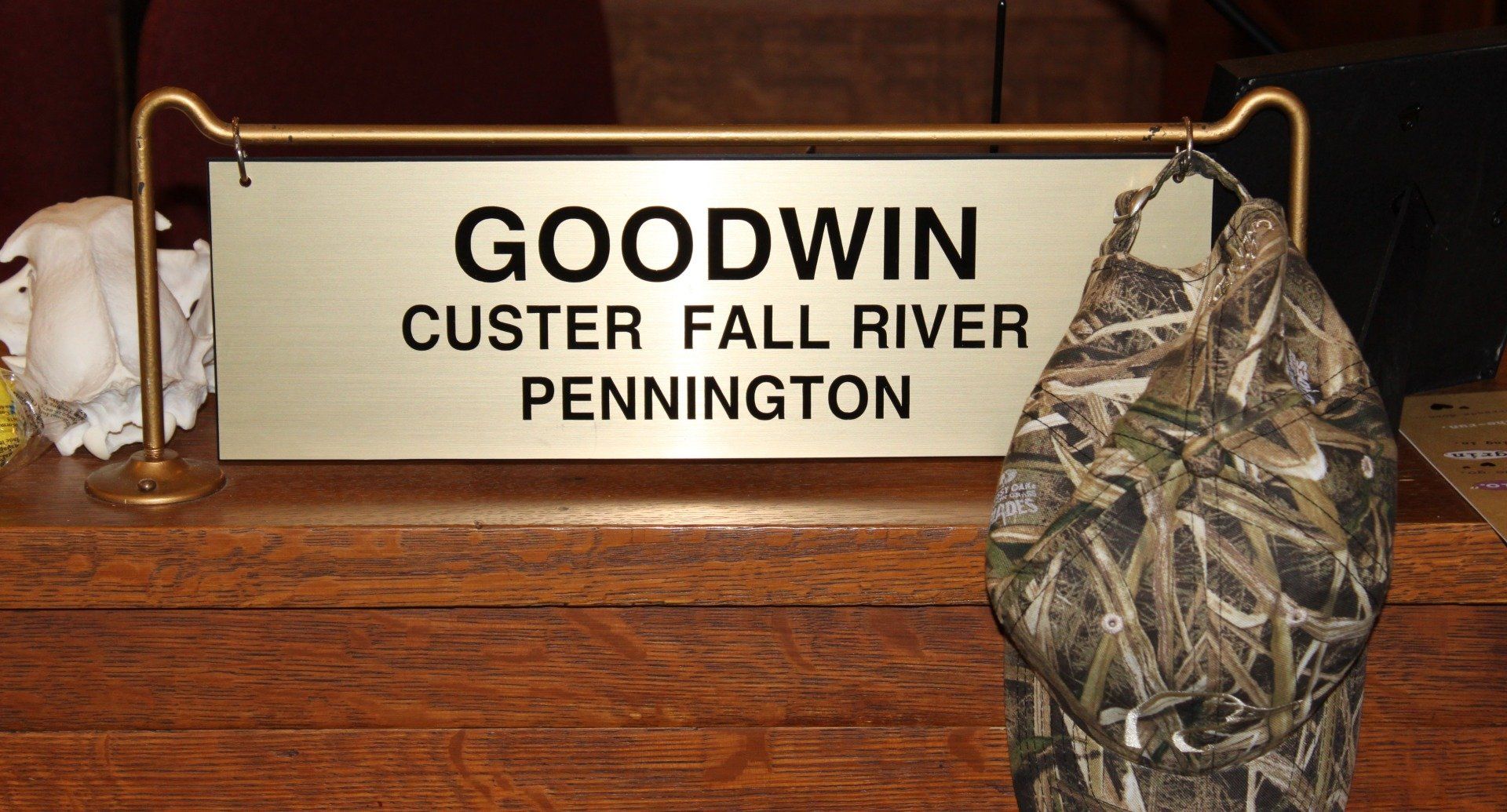
Greetings! Hope everyone had a blessed Christmas and you are on the way to a great new year, 2020. Man, that seems strange to type in 2020. Where have all the years gone? It’s that time of year when the 95th Legislative Session begins. Yep. It starts January 14 and runs through March 13th, with March 30 pegged to consider any gubernatorial vetoes.
I thought I’d touch on how an idea becomes law. Hope it is not too boring, but it wasn’t all that long ago that I didn’t understand the process, so here goes:
Idea
-Could be a simple idea that someone thinks should become law. An example would be to ban vaping products in the state of South Dakota.
-This idea could be a penalty for a crime, or the amount of money spent on a state program.
-The idea can come from anyone, but only a state legislator can take the idea and guide it to final passage through the state legislature.
Drafting
-The drafting of the idea is done through our Legislative Research Council (LRC), which has offices on the same 2nd floor that houses the Senate and House. Remember there are 35 Senators and 70 Representatives. The bill may be filed by any member of the House or Senate. Usually, more than one legislator sponsors the bill. The legislator whose name appears first is called the “prime sponsor.”
Introduction
-A bill is given to the Chief Clerk of either chamber. If the bill is sponsored by a senator, it is a Senate bill. If the bill is sponsored by a representative, it is a House bill.
-The bill’s title and number are read. This is called the first reading. In the house of origin, meaning whichever chamber sponsored the bill, it is read aloud.
-The Senate Pro Tem, Senator Brock Greenfield, or the Speaker of the House, Representative Steve Haugaard, will assign the bill to a committee hearing in the committee of their choice. It was shocking to me that the bill didn’t have to go to a committee of the subject matter. For example, an education bill could be sent to State Affairs Committee and not to Education Committee.
Committee
-A committee’s responsibility is to hear testimony for and against the bill, and then vote the bill down or send it to the House or Senate floor for debate and a floor vote.
Debate
-If the bill reaches the floor, it is debated and voted on by that body.
-If the bill is passed by, let’s say the House, it goes over to the Senate for a full debate and vote.
Law
-If the bill makes it through the House and the Senate, it is sent to the Governor.
-If signed by the Governor, the bill becomes law.
-If vetoed by the Governor, the Legislature can override the veto with a 2/3rds vote. That’s 47 yea votes in the House, and 24 in the Senate. If members are absent, the 2/3rds numbers stay the same (47 in the House, 24 in the Senate). So, you see that it is important to have everyone present.
-If the legislature is successful in overriding the veto, the bill becomes law without the Governor’s signature.
There! That wasn’t too boring, and a little bit educational!?
To the citizens of District 30 and to the men and women in uniform, in honor of all who served, in respectful memory of all who fell, and in great appreciation to those who serve today, Thank You, for giving me the opportunity to represent you.
Tim R. Goodwin, District 30 Representative